
More than 8,000 people take part in Big Garden Birdwatch across Bedfordshire
More than 8,000 people across Bedfordshire took part in this year’s edition of the Royal Society for the Protection of Birds (RSPB) Big Garden Birdwatch.
In Bedfordshire, the most frequently spotted bird during the birdwatch was the starling, followed by the blue tit and the house sparrow.
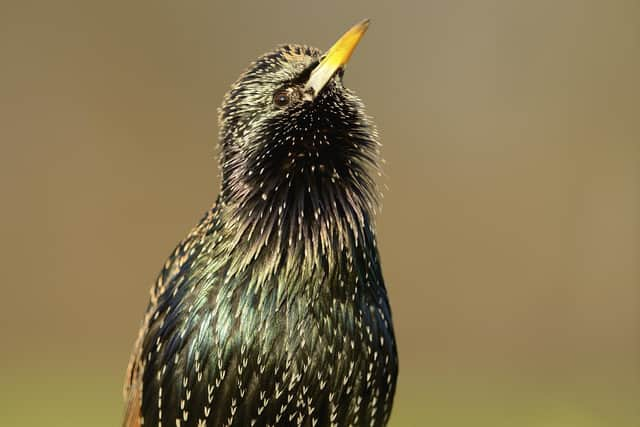

Across the country more than 650,000 people took part in the survey, counting more than nine million birds in the process.
Nationally the house sparrow took the top spot in the Big Garden Birdwatch, followed by the blue tit in second, with the starling in third.
The top five was completed by the woodpigeon and the blackbird.
One notable finding in the survey was that the greenfinch had dropped to 18th place nationwide, with the bird experiencing a 67 per cent decline in average numbers since the Big Garden Birdwatch began in 1979.
One reason given for the drop in greenfinches was a disease called trichomonosis, which spreads when birds gather around feeders.
In response the RSPB has issued new guidance around feeding birds, in relation to feeding them both safely and seasonally.
Regarding feeding seasonally the RSPB says: “It’s important to adjust what we feed our garden birds during the summer and autumn months when there’s a higher risk of disease spreading.
“From May 1 to October 31 we ask you to pause filling your bird feeders with seed and peanuts to prevent too many birds gathering in one place.”
Regarding feeding safely the society says: “Just one infected bird can turn your busy feeder into a disease hotspot.
“To help keep birds healthy, we need to prioritise hygiene so we recommend cleaning and moving your feeders weekly, changing the water daily and retiring flat-surfaced feeders.”
RSPB chief executive Beccy Speight said: “We’re not asking people to stop feeding, just to feed in a way that protects birds’ long-term health.
“By making small changes together, we can ensure garden feeding continues to be a positive force for nature.”
Have you got a story you want to share with our readers? You can now send it to us online via YourWorld at https://www.yourworld.net/submit/ It's free to use and, once checked, your story will appear on our website and, space allowing, in our newspapers.