
Bedford train crash: More than a dozen seriously injured passengers instruct lawyers as rehabilitation support begins
More than a dozen people injured in the Bedford train crash have instructed specialist serious injury lawyers at Irwin Mitchell to help with their recovery.
Other passengers are also receiving early rehabilitation and practical support following the fatal incident involving two East Midlands Railway services near Elstow. One train driver died, and more than 160 people were injured.
Since the crash, the law firm has been contacted by passengers and families seeking guidance on rehabilitation, treatment, interim support and the next steps.
Those seeking support include people suffering with injuries including traumatic brain injuries, spinal cord injuries, facial fractures, hand injuries, broken arms and legs, and psychological trauma.
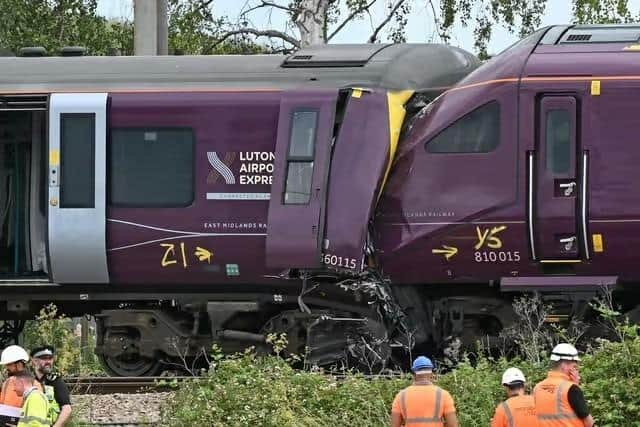

The Rail Accident Investigation Branch has published initial findings into the collision, but its full report is expected to take time. Irwin Mitchell says passengers and families should not feel they have to wait for that process to conclude before seeking practical support and independent advice.
Claire Pilsworth, a specialist serious injury lawyer at Irwin Mitchell, said: “The Bedford train crash has had a devastating impact on many people, including passengers who sustained very serious injuries and families now facing an incredibly difficult and uncertain time.
“We are already supporting more than a dozen people affected by the collision and are hearing first-hand about the physical, psychological and practical consequences they are dealing with.
“Those affected understandably have lots of questions about what happened and while the full investigation will be important in helping provide answers, people injured in incidents of this scale often need help much sooner. That can include access to specialist rehabilitation, financial support, advice on care and treatment and guidance for families trying to navigate what comes next.
“While passengers may be contacted directly following the crash, it remains important they also have access to independent advice focused solely on their needs, recovery and rights. Our focus is on helping those affected access the care, rehabilitation and answers they need as soon as possible.”
The RAIB’s initial update said one train had stopped unexpectedly following an Automatic Warning System fault, before another train passed a red signal and collided with it, with both EMR and Network Rail asked to jointly accept liability.