
Fly-tipping hotspots revealed – and here’s how badly Bedford is affected
The UK’s rubbish problem is piling up, literally.
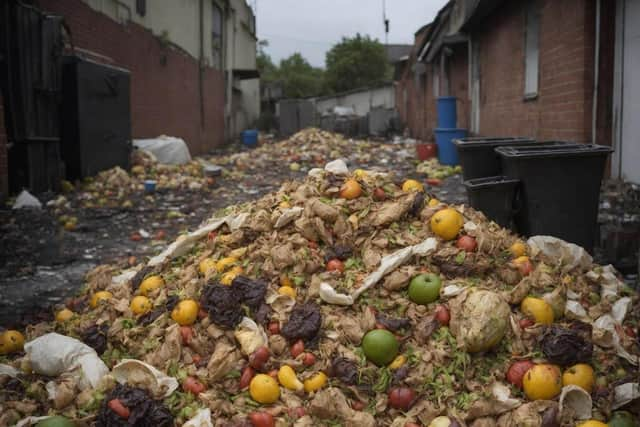
New analysis of government data has revealed councils in England dealt with over 2.7 million fly-tipping incidents in the past year, the equivalent of more than 7,397 illegal dumps every single day.
The research, conducted by garage clearance company Rainbow Rubbish Removals, ranked local authorities on the scale of their littering crisis, looking at the number of waste and land incidents, as well as the total amount of fines issued, to find out who has earned the unwelcome title of Britain’s fly-tipping capital.
And what do you know – us Bedford residents aren’t too shabby when it comes to looking after our town.

Out of 96 local authorities, we ranked 48th.
There were 1,764 waste incidents and 3,528 land-type incidents per 10,000 residents with the total fines at just £1,100.
Maybe that’s why we are so shocked when incidents are reported.
Earlier this month, Bedford Today revealed how a coffee shop and a Mexican restaurant were prosecuted for fly-tipping.
Ellies Coffee Shop, in Bedford’s High Street, was fined £3,840 dumping waste near Stagsden and La Pinata Ltd in St Cuthbert’s Street was fined £2,190 after putting commercial waste in domestic bins in Rush Court.
Topping this new list was Lewisham, followed by Newcastle then Westminster – while down the road, Peterborough came 4th.
Miroslav Radov, waste expert at garage clearance company Rainbow Rubbish Removals, said: "Fly-tipping isn’t just an ugly blot on the landscape, it’s a stubborn public health risk and an environmental time bomb. Our findings reveal a worrying pattern in big cities, especially London, where crowded boroughs like Lewisham and Westminster are drowning in waste but barely dishing out fines.
“If action isn’t stepped up, these areas could become permanent dumping grounds, with taxpayers footing the clean-up bill year after year. Solving this crisis means more than just sweeping up the mess; it calls for tougher penalties that bite, more accessible waste disposal options, and a cultural shift where people take real responsibility for the rubbish they create."