
One in five Brits are adapting their diet to get more vitamin D during the winter
New research has found that many Brits are turning to eggs, oily fish and breakfast cereals to boost their levels of Vitamin D during the winter months.
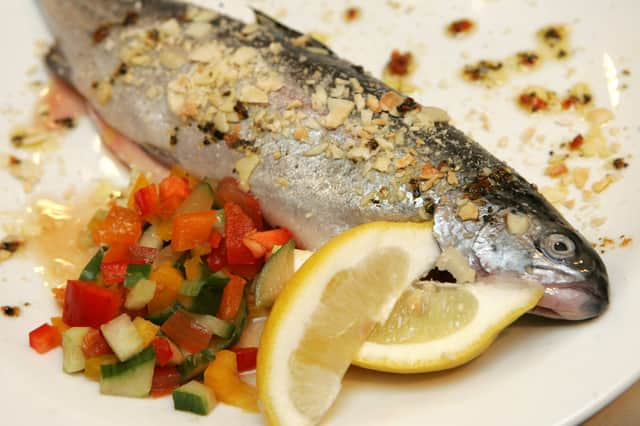
A study of 2,000 adults found some are loading up on eggs (37 per cent), oily fish (35 per cent) and breakfast cereals (27 per cent) in order to boost their levels of the 'sunshine vitamin'. But not everyone is clear on the best way to get enough; despite 89 per cent saying the nutrient is important to them, 39 per cent are unsure on how to maintain healthy levels.

More than a third (36 per cent) are attempting to soak up winter sunshine, despite 69 per cent knowing the sun doesn’t provide meaningful amounts of vitamin D during the colder months. From autumn onwards, UVB rays – the part of sunlight which helps the skin make vitamin D – are typically too weak in the UK for the body to produce enough, even during extended periods outdoors.
Lejla Damon, a spokesperson for Kellogg's, which commissioned the research, said: “Vitamin D plays an important role in supporting the normal function of the immune system.
“During the winter months, when we’re less able to rely on sunlight, it becomes particularly important to think about where we’re getting it from.
“What’s interesting is that while people recognise its importance, there’s still some uncertainty around how best to maintain healthy levels.
“Building simple and healthy sources into our everyday routines can help make this feel much more manageable.”

The research also found 84 per cent agreed vitamin D gained through their diet was specifically important to them; however, 59 per cent rarely or never choose foods for their content of the vitamin. Older Brits appeared particularly reluctant to change their habits, with just seven per cent of over-55s willing to adapt their diet during winter to help them get enough. Those aged 65 and over were also the least likely to actively seek out foods containing vitamin D, at eight per cent, compared with 46 per cent of 18 to 24-year-olds.
Almost half (49 per cent) of those surveyed via OnePoll.com had turned to search engines to look for information and advice on their intake, while 21 per cent relied on friends and family. For most, health was the focus, with 48 per cent wanting to reduce their risk of deficiency and 47 per cent looking to support their general wellbeing. When looking for ways to get more vitamins and minerals into their diet, dinner was seen as the easiest meal to do so (38 per cent), followed by breakfast (28 per cent) and lunch (12 per cent).
But many looked beyond food, with two thirds (65 per cent) having taken supplements to boost their vitamin D intake, compared with just 18 per cent who opted for fortified foods and drinks. As a result, supplements (72 per cent) and sunlight (66 per cent) were the most recognised sources, ahead of foods such as mushrooms (24 per cent) and fortified breakfast cereals (33 per cent).
Lejla from Kellogg’s added: “People know vitamin D is important, but what can sometimes be overlooked is the role our diet can play.
“Understanding which everyday foods we choose, including fortified cereals like Special K Original, which is high in vitamin D, is a simple way to be more mindful of our intake through our diet and, in turn, support our health.”