
From 1am Panics to Parentology: Bedford mental health practitioner bridges the gap in Teen Mental Health crisis

Teenage mental health is widely recognised as being in crisis, but what is far less talked about is what happens to parents when their child is struggling behind closed doors.
The 1am panic attack. The teenager who hasn’t come out of their room for days. The fear of saying the wrong thing and making everything worse.
For many families, this is the reality, often while they are waiting for overstretched services to step in.
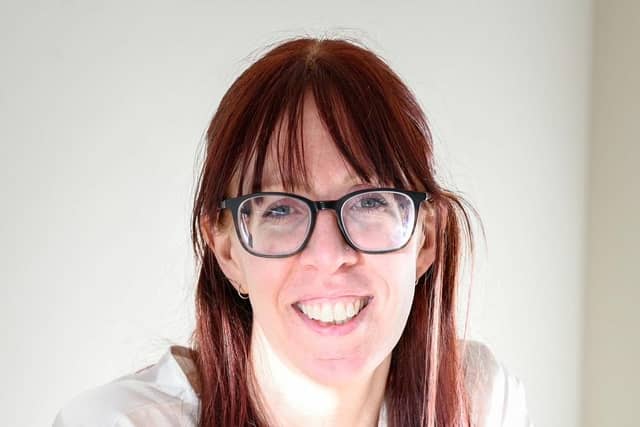
As a Bedford-based teen mental health practitioner and author with over 20 years’ experience working with young people and families, I see first-hand how isolating this can be for parents.
Services are under immense pressure, waiting lists are long, and families are often left trying to manage escalating anxiety, withdrawal, emotional outbursts, or school avoidance at home with very little guidance.
What I have consistently observed throughout my career is a significant gap in support for parents. Interventions understandably focus on the young person, yet parents are the ones supporting their teenager day and night.
Many tell me they feel lost, frightened, and unsure how to respond in moments of crisis, particularly when professional help feels out of reach.
In response to this gap, at the start of 2025, I developed Parentology, a family-centred, hybrid approach designed to support parents to support their teenagers.
Parentology integrates therapeutic insight with practical coaching, using tools traditionally reserved for the counselling room but applying them directly to real-life situations at home.
Rather than relying solely on weekly sessions, this approach focuses on what actually happens within families: emotional regulation, communication under pressure, boundaries, and the patterns driving behaviour beneath the surface.
Parents are supported to respond with clarity and confidence rather than fear or reactivity - whether that’s during a late-night panic attack or a prolonged period of withdrawal.
Since January 2025, this way of working has led to meaningful and sustained changes for families, including improved teen mental health, reduced conflict at home, and stronger parent–teen relationships.
A key element of Parentology involves helping parents reflect on how their own upbringing and beliefs influence their responses, allowing them to parent intentionally rather than from fear of making mistakes.
In many cases, families experience noticeable shifts within as little as three months.
This preventative, ethical, and family-centred model complements traditional mental health services and helps reduce the need for crisis intervention - something that feels increasingly important given the current pressures on local provision.
As an author and practitioner, my aim is simple: to help parents know they are not failing, they are not alone, and support is available, even when things feel overwhelming at home.
By talking more openly about the realities parents face, we can begin to close the gap and ensure families feel supported, not forgotten