
Opinion: Bedfordshire’s national police influencers push for fairer, more inclusive police leadership
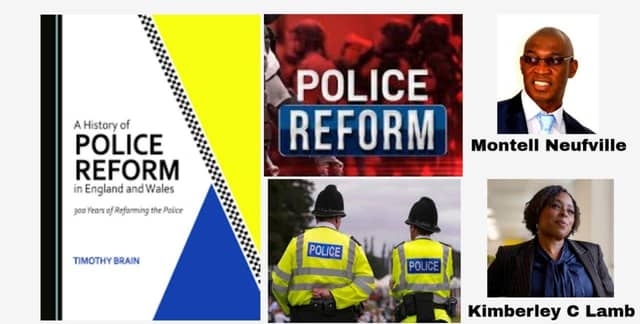

By Montell Neufville MCIM and Kimberley C. Lamb.
Policing reform may be a national conversation, but in Bedfordshire the debate feels especially urgent. As a town known for its diversity, resilience, and strong community networks, Bedfordshire has long been a barometer for public trust in local services.
With two of the countries most influential policing advocates coming from Bedfordshire, both are now calling for a leadership model that reflects the people it serves. People want a police service led by individuals who understand the town’s unique challenges and strengths and who are chosen through transparent, inclusive processes that give the community a genuine voice.
Across Bedfordshire, there is growing recognition that leadership should not be limited to those who have spent their entire careers within policing. Instead, forces should draw on a wider range of skills, experiences, and perspectives. This includes people from local government, the private sector, charities, and community organisations people who understand strategic management, digital transformation, and the lived experiences of our diverse communities.

Montell Neufville, a police ethics advisor who has influenced the policing landscape for 20 years, believes that relying solely on career officers can unintentionally narrow the leadership outlook. “By widening the search pool, policing becomes more legitimate and more professional. There is a wealth of expertise outside policing that could strengthen the service, especially in areas like digital innovation and strategic planning.”
A key part of this shift is ensuring that leadership appointments are made openly and transparently. Kimberley C. Lamb, Bedfordshire Police’s Director of Legitimacy and Public Service, stresses that trust grows when communities can see fairness in the process. “Leadership decisions should never be made behind closed doors. Panels should include community representatives, police staff, officers from different ranks, and staff associations. It’s also vital that neurodivergent voices are included, so that a range of cognitive styles and perspectives shape the outcome.”
These panels, she adds, must be properly chaired to ensure every voice is heard—not just those with seniority. However, Kimberley is clear that transparency must never come at the expense of public safety. Vetting standards must remain robust, and no panel should have the power to overturn evidence-based vetting decisions. “Thorough vetting is essential for maintaining public trust,” she says.
In Bedfordshire, ongoing conversations between communities and senior leaders have already helped shape a shared vision for the future. Montell explains: “If we want a force that truly reflects and serves Bedfordshire, we must move away from the traditional ‘echo chamber’ of internal promotion. We need an inclusive, evidence-based approach to identifying future leaders.”
This vision focuses on three key areas:
1. Widening the Talent Pool
For decades, senior police roles have largely been filled by those who have risen through the ranks. While operational experience is important, this approach can limit innovation. The current system often rewards those with the “right” mentors or networks, which can unintentionally reinforce the same culture and slow down reform. Opening leadership pathways to people from outside policing brings fresh thinking, strengthens professionalism, and ensures leadership better reflects Bedfordshire’s communities.
2. Standardised Independent Panels
To reduce the risk of “recruiting in one’s own image,” leadership panels should be diverse and consistent. A balanced panel might include a senior officer, a Police Federation representative, an HR professional, a member of police staff, a community representative, and an equality, diversity and inclusion specialist. Their role is to ensure fairness, challenge assumptions, and bring a range of perspectives to the table.
3. Professionalising the Selectors
Diverse panels only work when members are properly trained. This means going beyond basic interview skills and focusing on emotional intelligence, cultural awareness, youth engagement, ethical decision-making, and procedural fairness. Objective tools—such as data-driven assessments and situational judgment tests—should replace subjective “gut feelings,” which can mask unconscious bias.
A Call for Courageous Leadership
Ultimately, reform is about people. If policing is to be fair, trusted, and effective, forces must be bold enough to rethink how leaders are chosen. By opening the doors to talent from all backgrounds and ensuring transparent, community-centred selection processes, Bedfordshire can help shape a police service that is truly equipped for the future.
About the Authors
Montell Neufville
An Ethics Advisor with more than twenty years’ experience, Montell is Managing Director of Att10tive Social Enterprise. He leads leadership programmes and community cohesion initiatives and is a national specialist in community-led scrutiny.
Kimberley C. Lamb
Kimberley is the Director of Legitimacy and Public Service for Bedfordshire Police. With extensive experience across the criminal justice system, Kimberley specialises in supporting vulnerable communities and leads partnership programmes across Bedfordshire.